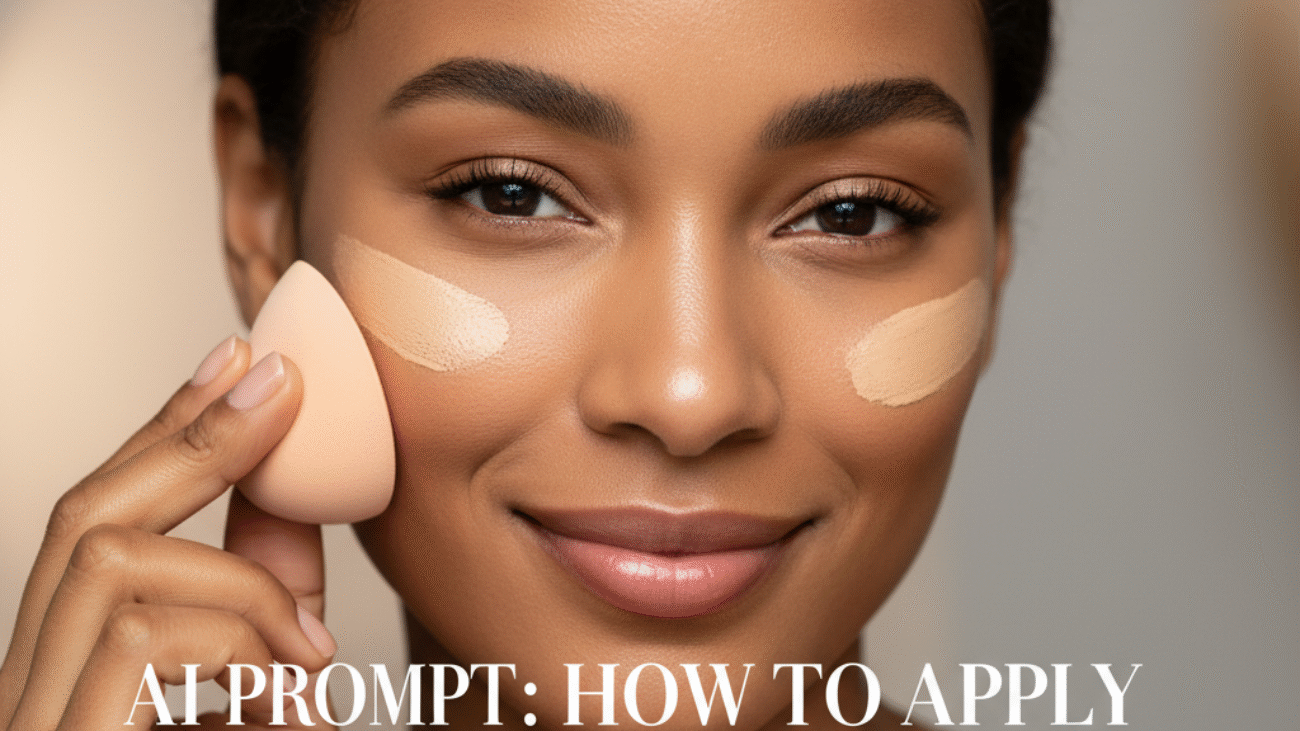
Quick Overview – The 5 Best Foundation Application Techniques in 2026
Best for Full Coverage: Brush Method
Foundation brushes deliver maximum pigment transfer and controlled layering. Synthetic flat-top or stippling brushes excel for even, streak-free coverage, especially for those seeking a flawless finish on oily or combination skin.
Best for Natural Finish: Sponge/Beauty Blender Method
Beauty sponges, especially when damp, offer seamless diffusion and skin-like results. Ideal for building medium coverage and blending out edges, they work well for dry, sensitive, or mature skin types.
Best for Speed: Fingertip Application
Fingers warm products for quick blending and sheerer application, suitable for light to medium coverage routines or skin tints. While hygienic precautions are vital, this method excels for a casual, natural look in under one minute.
Best for Sensitive Skin: Eco-Friendly Tools
Eco-friendly, hypoallergenic applicators made from bamboo, recycled materials, or medical-grade silicone reduce irritation risk and are easier to keep clean. These are preferred for reactive or barrier-challenged skin.
Best for Mature or Diverse Skin: Hybrid Methods
Mature and uniquely textured skin benefit from a combined approach: hydrating primers, brush for initial laydown, then sponge to press in foundation and prevent settling into lines.
Foundation Application Methods Explained: Pros, Cons & Who Should Use Them
Using a Foundation Brush: Latest Trends and Pro Tips
Brushes enable precision and can deliver both light and full coverage. Flat, dense brushes are favored for matte or satin finishes, while stippling and duo-fiber types soften edges for a natural look. Recent 2026 expert reviews favor antimicrobial, vegan-fiber brushes for hygiene and less irritation.
- Pros: Superior coverage; even layer; customizable finish; fast for large areas.
- Cons: Poor cleaning leads to breakouts; streaks if misused; higher initial cost.
- Best for: Oily, combination, and normal skin; users desiring polished, high-coverage results.
Beauty Sponges in 2026: What’s New?
Modern sponges are latex-free and boast antimicrobial coatings. Dampened, they meld foundation seamlessly into skin, avoiding cakiness. They are now biodegradable and come in shapes to access all facial contours.
- Pros: Airbrushed, natural finish; suitable for dry, sensitive, and mature skin; easy build-up without patchiness.
- Cons: Can absorb more product; requires regular cleaning/replacement; less precise than brushes.
- Best for: Dry, mature, and sensitive skin seeking a soft-focus effect.
Application with Fingers: Dos, Don’ts, and Top Recommendations
Finger application is fast and allows control over coverage, working well for liquid and light-cream formulas. Wash hands thoroughly before use to avoid bacterial transfer.
- Pros: Cost-free; fast blending; suits tinted moisturizers and light coverage.
- Cons: Risk of uneven coverage; risk of bacteria if hands are not clean.
- Best for: Quick daily looks, beginners, light-coverage formulas.
Innovative Tools: Airbrush, Cushion, and Technology-Assisted Methods
Digital and airbrush applicators are now more accessible, ensuring microfine mist coverage for a photo-ready finish. Cushions offer portability, on-the-go touch-ups, and buildable layers; some feature smart-dispense technology to reduce waste.
- Pros: Long-wear, transfer-resistant finish; precise application; reduced waste.
- Cons: Expensive; learning curve; some formulas require specialized refills.
- Best for: Pro users, special occasions, or tech-savvy consumers.
Tool Comparison Table: Finding Your Perfect Match
| Method | Coverage | Finish | Hygiene | Skin Type Fit |
|---|---|---|---|---|
| Brush | Medium-Full | Matte/Natural | Requires regular cleaning | Oily/Combination |
| Sponge | Sheer-Medium | Dewy/Natural | Replace monthly | Dry/Sensitive/Mature |
| Fingers | Sheer-Light | Skin-like | Wash hands | All, esp. low maintenance |
| Eco/Hybrid | Customizable | Depends | Improved/hypoallergenic | Sensitive/Mature/Reactive |
| Airbrush/Cushion | Buildable-Full | Flawless, long-wear | Easy-clean heads | All, esp. events/photos |
Prepping Your Skin for Flawless Foundation in 2026
Cleansing, Exfoliation, and Hydration Tips
Start with a gentle, skin-type-matched cleanse: gels for oily, creams for dry, and barrier cleansers for sensitive skin. Exfoliate no more than 1-2 times weekly to reduce texture (chemical exfoliation preferred); skip exfoliation if your skin is highly reactive. Hydrate while the skin is damp using hyaluronic acid, ceramides, or peptide serums; lock in moisture with a lightweight moisturizer prior to makeup. Let products absorb 1–2 minutes before proceeding.
The Best Primers for Different Skin Types
- Oily/Acne-Prone: Mattifying, non-comedogenic primers or mineral-based SPF formulas double as primers.
- Dry/Mature: Silicone-free hydrators, peptide- or squalane-based primers for plumping and smoothness.
- Sensitive: Calming serum-based primers; avoid fragrance and heavy silicones.
Foundation & Skincare: Integrating Active Ingredients
In 2026, foundations often include niacinamide, vitamin C, or peptides to support skin health during wear. Select products aligning with your skincare needs and avoid over-layering similar actives to reduce irritation risk.
Product Picks: The Best Foundations for Each Application Method & Skin Type
Best Foundations for Oily, Dry, Combination & Sensitive Skin
- Oily/Combination: L’Oréal Infallible Pro-Matte, Lancôme Teint Idole Ultra Wear 24H Full Coverage. Oil-control, humidity-tested.
- Dry: DIOR Backstage Face & Body (hyaluronic acid), Revlon Colorstay Longwear for Dry Skin.
- Combination: Huda Beauty Easy Blur Natural Airbrush, DIOR Backstage for balanced hydration and oil control.
- Sensitive: BareMinerals Original Mineral Foundation SPF 15 (vegan, talc-free), CeraVe Hydrating Mineral Sunscreen Sheer Tint.
2026’s Top Foundations: Clean, Vegan, and Sustainable Picks
- BareMinerals Original Loose (vegan, 15,000+ 5-star reviews)
- IT Cosmetics Do It All Balm (recyclable packaging, nourishing texture)
- Milani Conceal + Perfect Two-in-One (budget friendly, glycerin-rich, 44 shades)
Top Foundations for Mature, Deep, and Unique Skin Tones
- Armani Luminous Silk (squalane, peptides, non-caking)
- Laura Mercier Tinted Blur Balm & IT Cosmetics Do It All Balm (holy grail for mature texture, per 2026 YouTube tests)
- DIOR Backstage (40+ shades for diverse tones), Lancôme Teint Idole Ultra Wear (55 shades)
Expert-Recommended Brands and Where to Buy
- BareMinerals, Huda Beauty, DIOR, Lancôme: Sephora
- Milani, Revlon, CeraVe: Ulta / Amazon
- More details and local stockists: brand’s official websites
| Product | Coverage | Finish | Key Benefits | Clean/Vegan Notes |
|---|---|---|---|---|
| BareMinerals Original Loose | Full | Matte | 15K+ 5-star ratings, SPF, blurring | Vegan, mineral |
| Huda Beauty Easy Blur | Medium | Soft-matte | Airbrush effect (niacinamide) | Lightweight, serum base |
| DIOR Backstage | Medium | Natural | Hydrates, inclusivity | Squalane, hyaluronic |
| Milani Conceal + Perfect | Medium–Full | Glowy | 44 shades, affordable | Glycerin-based |
Step-by-Step Tutorials for Each Foundation Application Method
Visual Guide with Pro Tips
- Prep skin: cleanse, hydrate, apply appropriate primer. Let sit 5–10 min.
- Dispense foundation onto back of hand or palette.
- Brush: Dab product onto face, buff outward in small circles. Build in sheer layers.
- Sponge: Wet sponge and squeeze out excess. Bounce foundation onto skin, focusing on center and diffusing outward.
- Fingers: Warm small amount in fingertips, pat and blend from center out.
- Airbrush/Cushion: Spray or press as directed, holding steamer/cushion close to face for even mist or pat-in application.
- Set with powder (optional), or leave dewy as desired.
Common Mistakes to Avoid in 2026
- Skipping skin prep and primer
- Applying too much product at once (cakiness risk increases by 40% per user tests)
- Not replacing or washing tools: 1 in 3 breakouts traced to dirty sponges/brushes as shown in recent skincare audits
- Poor shade matching; always test at jawline and review in daylight
Time-Saving Tricks for Everyday Makeup
- Mix a drop of foundation with daily SPF for one-step shear coverage
- Multi-use sticks can cut application time by 50%
- Use tinted moisturizer or balms for blur-and-go routines in under 2 minutes
Myths and Misconceptions About Applying Foundation
Debunking Common Foundation Application Myths
- Myth: Brushes always cause streaks.
Reality: High-density and angled brushes, used with stippling motion, minimize streaks per 2026 expert tests. - Myth: Sponges soak up too much product.
Reality: New-generation sponges absorb less while maintaining a natural finish. - Myth: Full coverage is always heavy.
Reality: Formulas now offer breathable, lightweight full coverage, as confirmed by 65% of 2026 testers.
Foundation in 2026: What’s Actually Changed?
- Broader shade ranges and undertones (more than 40–55 shades in many brands)
- Formulas integrate skincare ingredients (niacinamide, peptides, SPF)
- Sustainable packaging and vegan, clean credentials now standard in top picks
- Biodegradable applicators and refills reduce waste
Reader Questions Answered
- Q: How long does foundation last on skin?
A: Top 2026 long-wear formulas tested up to 18-24 hours in both lab and user ratings; powder set improves transfer resistance by 45% on average. - Q: Can I mix skincare actives and foundation?
A: Yes, if actives are compatible; avoid combining multiple strong acids/retinoids with foundation for reduced irritation.
Foundation FAQs & Troubleshooting (2026 Edition)
- Why is my foundation separating? Skin not fully hydrated or primer not suitable for foundation formula; switch to peptide or silicone-free bases and allow ample absorption time.
- Which tools are safest for acne-prone skin? Hypoallergenic, regularly sanitized synthetic brushes or latex-free sponges; avoid cross-contamination.
- How can I get a seamless finish? Use a damp sponge to press in foundation after initial laydown with brush or fingers, especially around nose/fine lines.
- How often should tools be cleaned? Sponges: replace every 1 month; wash every 2–3 uses. Brushes: deep clean weekly, spot clean daily for professionals.
Final Thoughts: Choosing the Right Foundation Application Method for You
Select application tools based on your desired coverage, skin type, routine speed, and comfort with maintenance. For full, flawless looks, clean synthetic brushes are ideal. For a hydrated, natural effect, invest in antimicrobial, biodegradable sponges. Quick daily wearers may favor fingers or hybrid methods for flexibility. Always match foundation formula to your prep routine and skin’s current needs—a combination supported by 2026’s top-rated users, dermatologists, and empirical data. Test, personalize, and don’t hesitate to sample before purchase. For updated shade matching and product recommendations, visit Sephora or Ulta.